January 2026 Edition
A monthly round-up of news and trends important to the AltaSea community.
AltaSea Community Spotlight
By Sonya Christian and Terry Tamminen Special to The Sacramento Bee
Artificial intelligence is reshaping nearly every corner of the job market, automating tasks that once defined entire careers. But while AI can draft memos and do some complex tasks like mapping, diagnosing disease patterns and forecasting supply chains, there is one sector it cannot replace: the emerging blue economy workforce that builds, grows, repairs and sustains the ocean industries powering our economy’s future.
Read More–>
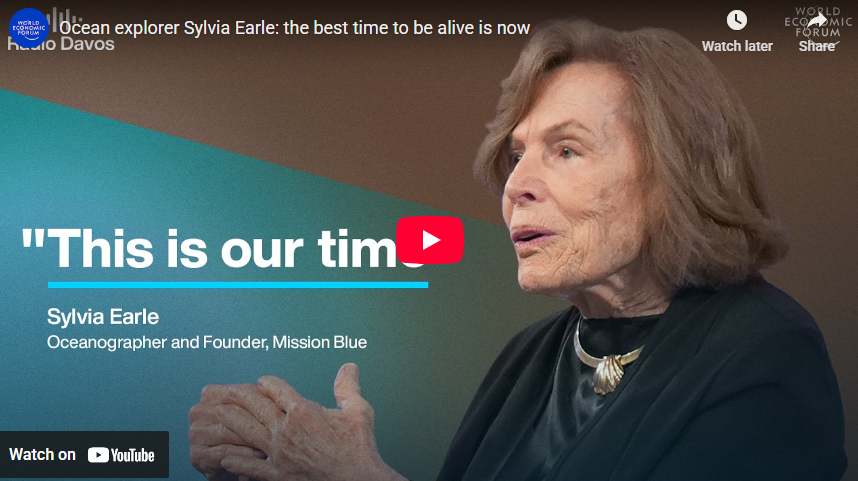
Despite huge damage to nature and the growing impact of climate change, Sylvia Earle believes there is not better time in history to be alive.
Now 90, the pioneering ocean explorer has this message of hope for humanity.
Watch Podcast–>
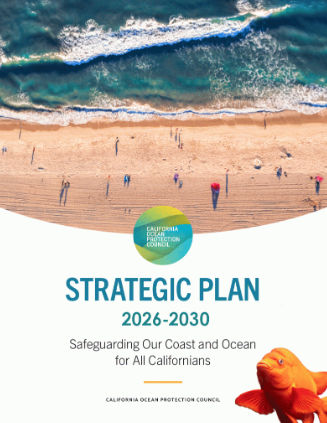
At the December 9, 2025 meeting, the Ocean Protection Council approved its 2026–2030 Strategic Plan: Safeguarding Our Coast and Ocean for All Californians, an ambitious blueprint that will guide the Council’s investments and priorities through the end of this decade. Building on OPC’s previous Strategic Plan and foundational advancements made during the Newsom Administration, this Plan clearly reflects what OPC heard in public meetings and tribal consultations across the state as it worked to develop the Plan over the last year—a call for healthy oceans, resilient coastal communities, a commitment to science, and a future where people and nature thrive together.
Read More–>
Come see where innovation meets reality!
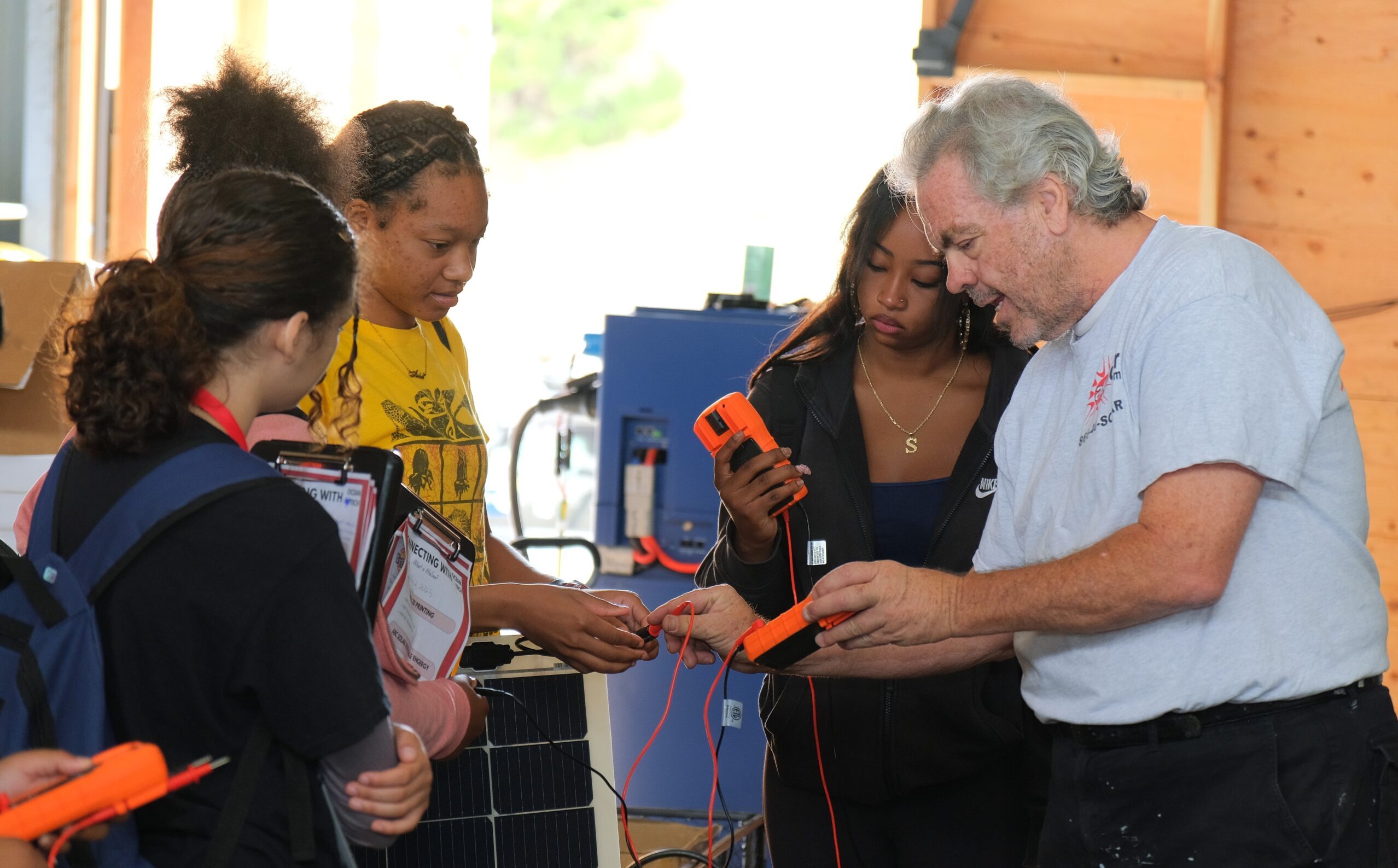
At AltaSea, we’re turning to the ocean to develop real solutions for some of the planet’s biggest challenges- from climate change and renewable energy to sustainable food systems. During your visit, students will explore how science, technology, and creativity come together to power the Blue Economy and discover exciting career paths in marine science, engineering, sustainability, and more!
A field trip to AltaSea isn’t just a day by the ocean — it’s a chance for students to see the
future of sustainability in action and imagine their own place in it.
Join UrgentSEA
No matter what is going on in the world, the oceans continue to bring waves to shore. Here at AltaSea, we look towards the ocean for both solutions and inspiration—the oceans don’t stop, and neither do we.
AltaSea remains committed to supporting science-based solutions to climate change—solutions that both protect the oceans and benefit local communities. But we can’t do it without your support. Please make a tax-deductible donation and join UrgentSEA, our new membership campaign, today.
Welcome New Members!
Flora A.
Mary A.
Axel E.
Allan F.
Jeanne G.
- Jeremy K.
- Susan P.
- Tony S.
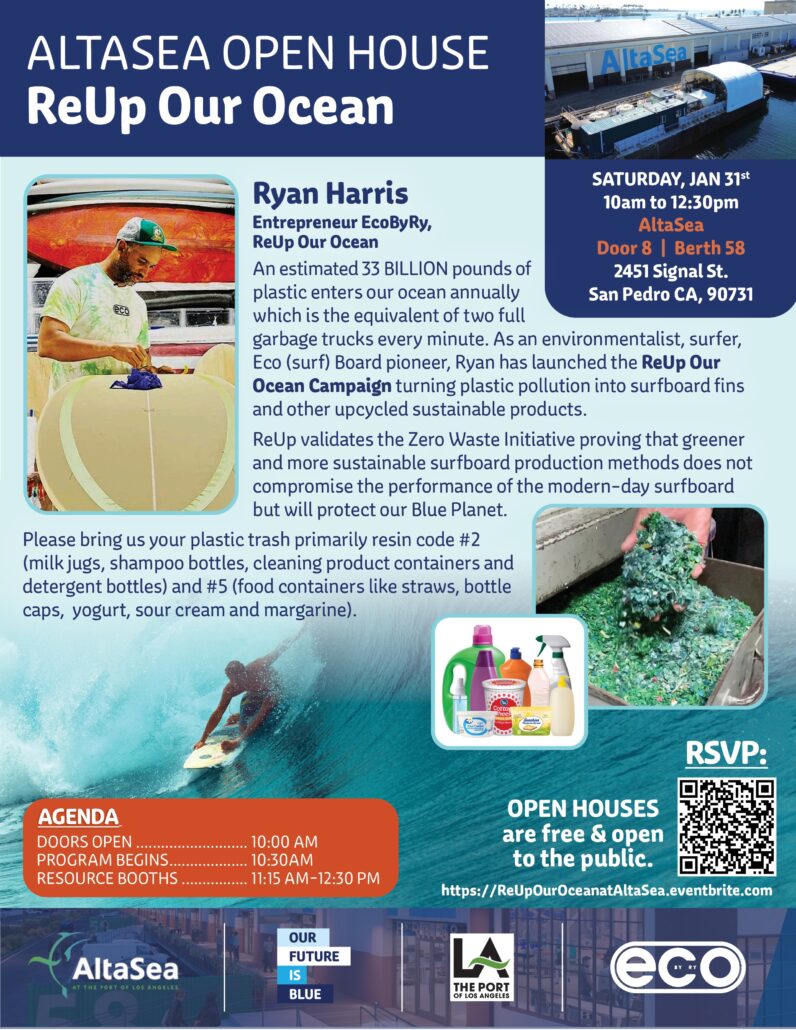
Join us on Saturday, January 31, 2026, for an exciting Open House event at AltaSea at the Port of Los Angeles!
Join us for AltaSea’s first Open House of 2026, centered on the power of recycling and ocean stewardship through the ReUp Campaign. This special edition will feature Ryan Harris, surfboard shaper and sustainability innovator, who is transforming trash collected from the ocean into functional surfboard fins for boards he upcycles.
Whether you’re an ocean advocate, student, educator, or curious about recycling innovation, this open house offers an inspiring look at trash reimagined.
Marine Science
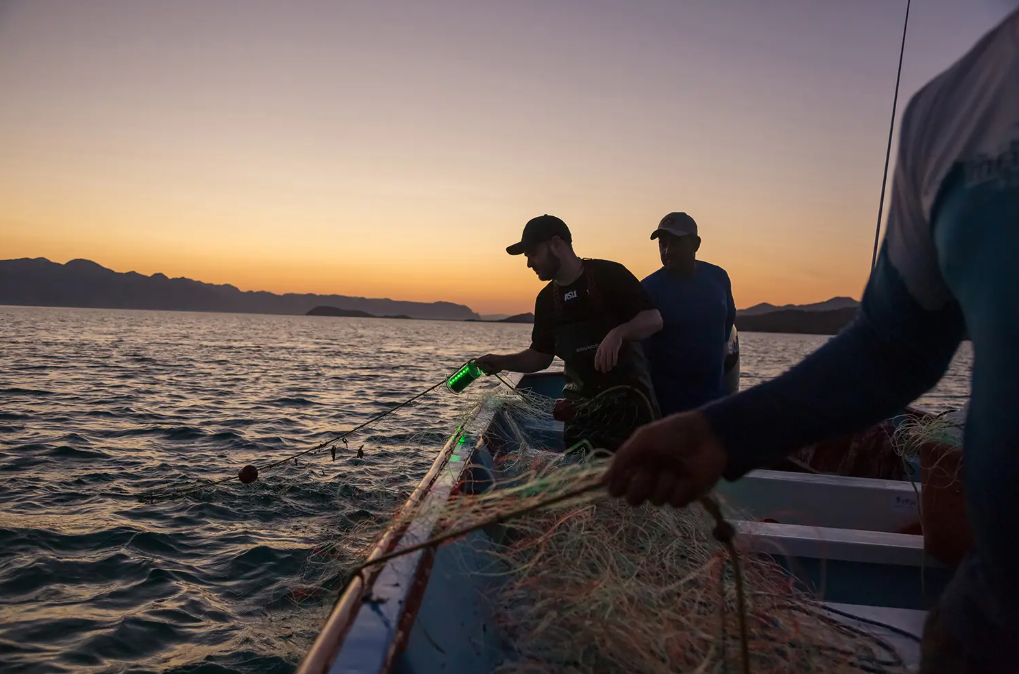
As global fisheries innovate to find solutions to bycatch, a promising solution is lighting the way to prevent sea turtles from ending up in commercial fishing nets.
Scientists from Arizona State University, NOAA Fisheries and the World Wildlife Fund (WWF) worked with fishers from a coastal community in Mexico to develop a light that harnesses solar energy to illuminate gillnets, commonly used to catch fish like yellowtail amberjack (Seriola dorsalis).
Read More –>
Machines mining minerals in the deep ocean have been found to cause significant damage to life on the seabed, scientists carrying out the largest study of its kind say.
The number of animals found in the tracks of the vehicles was reduced by 37% compared to untouched areas, according to the scientists.
Read More –>
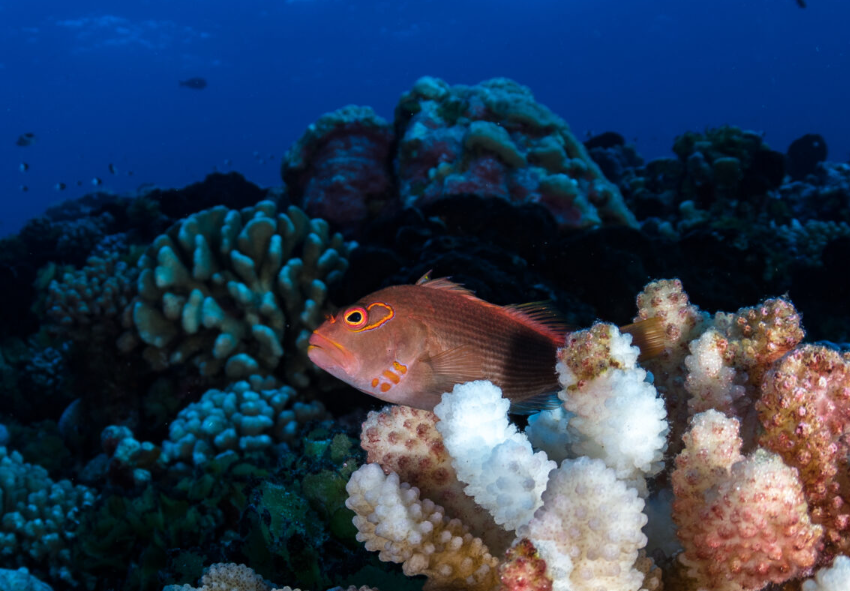
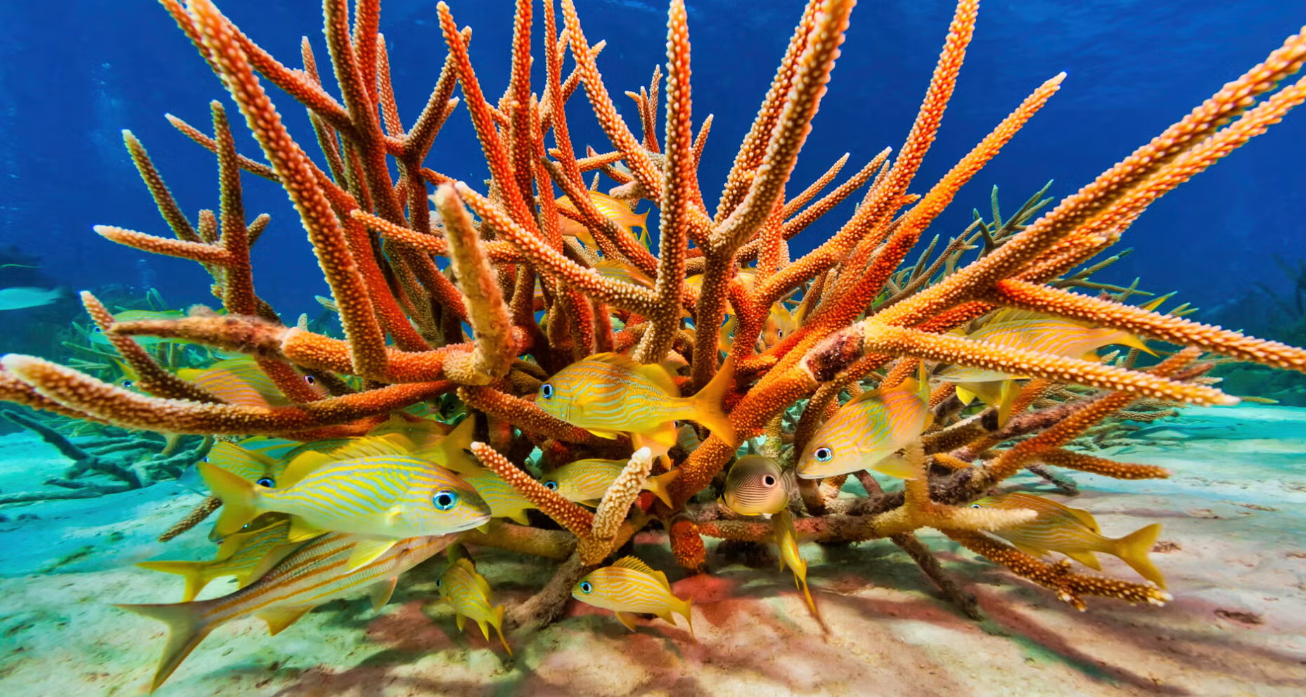
As the global population climbs past 8.3 billion and malnutrition persists in many regions, scientists have been asking whether the ocean can play a larger role in addressing food insecurity. And new research suggests it can – if coral reef fish populations are given the chance to recover.
Read More –>
Sustainable and Innovative Business
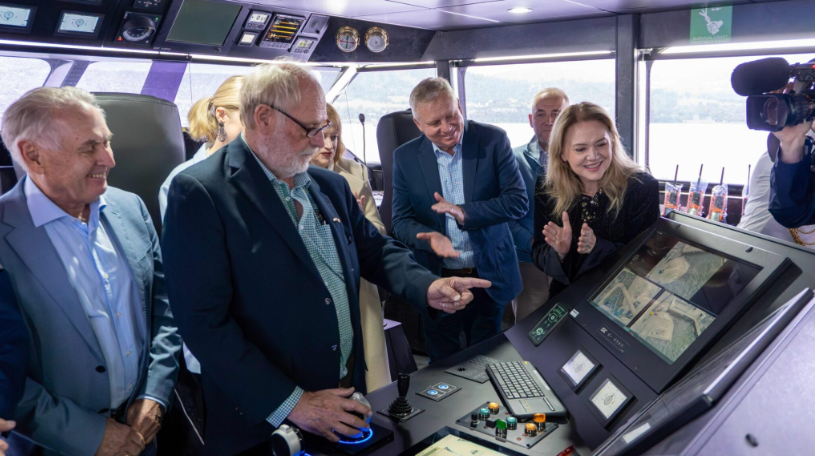
The 130m vessel – known as Hull 096 – is the largest battery-electric ship ever constructed and the largest electric vehicle of any type currently in operation. Designed to carry up to 2,100 passengers and more than 220 vehicles, it represents the first time a ship of this size and capacity has operated solely on battery power.
Read More –>
With a human population of 8.3 billion people worldwide and millions facing malnutrition, food security is something to think about. But imagine if the ocean could help with that. Scientists at the Smithsonian Tropical Research Institute (STRI) in Panama and collaborators from several other institutions have found that allowing coral reef fish populations to recover could dramatically increase the number of fish servings produced sustainably per year, feeding millions of people. Their research reveals that many reef fish populations are so depleted that they are producing far less than their sustainable potential—yet rebuilding these stocks could help fight global hunger.
Read More –>
Mississippi is fortunate to be located on coastal waters where the blue economy is thriving and benefitting the whole state. The University of Southern Mississippi recently hosted a day of TEDX presentations based on this premise. Topics covered were innovation, sustainable growth, workforce development, coastal resilience and ocean stewardship.
Read More –>
Education
A new initiative is bringing together experts from several USC departments and local research institutions to answer that question. Supported by a 2025-2027 Wrigley Institute Faculty Innovation Award, Extinction Insights for a Sustainable Tomorrow (EXIST) is studying Earth’s past mass extinctions for insights that can help us understand biodiversity loss from modern climate change and develop strategies for resilience and recovery.
Read More –>
Three scientists at UC San Diego’s Scripps Institution of Oceanography will be honored by the American Geophysical Union (AGU) at the AGU Annual Meeting through its Honors and Recognition program, which acknowledges section awardees, named lecturers and elected fellows.