
Seafood for the Conscious Consumer
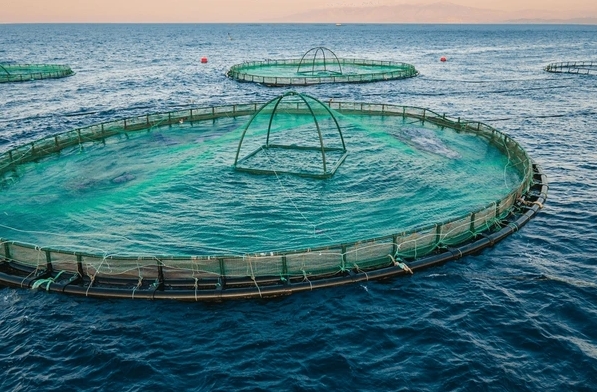
Many of the fish that people enjoy eating are produced in ways that harm the ocean. A significant percentage of wild fish stocks are overfished to an extent that prevents fish populations from regenerating and damages ocean food webs, the fishing industry is a major source of marine plastic pollution, and farmed shrimp and salmon are linked to nutrient pollution of waterways as well as mangrove deforestation.
However, thanks to the increasing implementation of responsible fishing practices and sustainable aquaculture methods, consumers now have the option of choosing environmentally friendly seafoods. Just as every dollar you spend is a vote for the kind of society you want to live in, every bite that you eat is a vote for the kind of world you want to leave for future generations—because food systems are intrinsically tied to the future of our planet.
Fortunately, there are many trusted resources that can help consumers make planet friendly choices. When it comes to seafood, Seafood Watch, a program of the Monterey Bay Aquarium, offers an information-packed, free-access Sustainable Seafood Guide. It also offers a Popular Seafood Guide that includes the seafood that you’re most likely to see at restaurants and stores, in-depth guides to every fish species commonly consumed in the United States, and a guide tailored to sushi.
The guide uses a simple, three-color system reminiscent of a traffic light. Green “best choice” species are first-choice foods for conscious consumers. These species are responsibly harvested from the sea or sustainably farmed. Yellow “good alternative” species pose a moderate environmental risk but are considered an acceptable backup if “best choice” species aren’t available. Species fall under the red “avoid” label if they are produced in an environmentally damaging manner. Commonly-consumed species that receive the red rating include blue fin tuna, uncertified Atlantic cod, and tilapia farmed in China.
According to Seafood Watch, some species that are both popular on plates and gentle on the planet include pole-caught albacore, skipjack, and yellowfin tunas caught by U.S. fisheries, tilapia farmed in Colombia or Taiwan, Alaskan cod and crab, farmed and wild clams, mussels, and oysters, blue crab from Alabama, Delaware, Maryland, or New Jersey, and salmon that is either wild caught in the U.S. or Canada or certified by the Aquaculture Stewardship Council or Marine Stewardship Council. In grocery stores, sustainably certified seafood is easy to spot because it carries the Marine Stewardship Council’s blue fish label, which can be found on seafood products and alongside seafood items on menus.
The Sustainable Seafood Guide is especially helpful because it breaks down its recommendations for each species into sub-recommendations based on the variable environmental sustainability of common sources. For example, shrimp is a green-rated choice when farmed in the U.S. and yellow-rated when farmed in Ecuador or Thailand. But shrimp farmed in other major shrimp producing countries, including Argentina, China, India, Indonesia, Mexico, and Vietnam, falls into the red-list “avoid” category unless the shrimp comes from a farm certified for its sustainability practices.
The fact that farmed shrimp can be considered a “best choice” or red-listed seafood depending on where it is grown underscores the paradox of aquaculture—farmed seafood provides an alternative to the overfishing of wild stocks, but it is also a source of other forms of environmental damage unless sustainable practices are implemented. While some farmed seafoods, especially bivalves and kelp, are naturally predisposed to sustainable farming, many commonly farmed species, especially salmon and shrimp, are associated with environmental damage.
However, in recent years, international efforts to mainstream sustainable aquaculture, particularly in developing nations where shrimp aquaculture is an important component of the economy, have increased. And scientific advancements are making sustainable aquaculture practices easier to achieve. At the AltaSea campus, scientists have developed underwater robots designed to monitor farmed fish stocks and keep them healthy, and several aquaculture partners are implementing scalable sustainable aquaculture innovations and technology.
Currently, sustainably harvested and farmed seafood only constitutes a small proportion of seafood produced globally. But increasing consumer awareness, as well as scientific consensus that our food systems will collapse if the status quo continues, are changing the tide.
Written by Emily Vidovich. Emily is an environmental journalist specializing in ocean conservation and climate change mitigation. She obtained her bachelor’s degree at George Washington University and a Masters in Global Environmental Studies at a university in Tokyo, Japan. Born and raised in the Port of Los Angeles, she now works in research and communications at AltaSea.